
The Role of Chance in Gambling
When individuals step into a casino, they often carry with them the notion that luck is a significant factor in the games they play. Many believe that certain events, such as a lucky charm or a specific time of day, can influence the outcome of their bets. The randomness of games like slots, roulette, and poker suggests that luck can indeed play a role in what happens at the tables, and some players even turn to resources like cargarageservicesmiltonkeynes.co.uk for tips on enhancing their gaming strategies. For instance, a player might win a jackpot after a streak of losses, reinforcing the idea that good fortune can suddenly strike when least expected.
Furthermore, psychological aspects come into play when discussing luck in gambling. Players experiencing a winning streak often report feeling more confident and cheerful, which can lead to more significant bets and a willingness to take risks. This phenomenon, known as the “gambler’s fallacy,” can skew a player’s perception of outcomes. They might believe that their luck is bound to continue, despite the fact that each game is independent of the last, governed by probability rather than an ongoing luck cycle.
While luck may be a common topic among casino-goers, it is essential to recognize that casinos are designed around games of chance. Statistical probabilities define the rules of these games, with house edges built into each to ensure profitability over the long term. As such, while luck may influence short-term results, understanding the mechanics and odds of the games can provide a more accurate picture of one’s potential for success in the casino environment.
The Psychological Impact of Believing in Luck
The concept of luck is deeply ingrained in human psychology, affecting not just how people play but also how they perceive their gambling experiences. Players who believe in luck often approach games with a more positive mindset, which can enhance their overall experience. This optimistic outlook may lead to increased enjoyment and a more relaxed approach to betting. For instance, social interactions at the gaming table may improve when players are hopeful about their chances of winning, creating a lively atmosphere.
Contrastingly, players who doubt their luck may experience heightened anxiety and stress, potentially leading to poorer gameplay. This psychological pressure can cloud judgment, making it challenging to make rational betting decisions. The belief in luck can act as a double-edged sword; while it can foster camaraderie among players and elevate excitement, it may also lead individuals to chase losses, convinced that their luck will change at any moment.
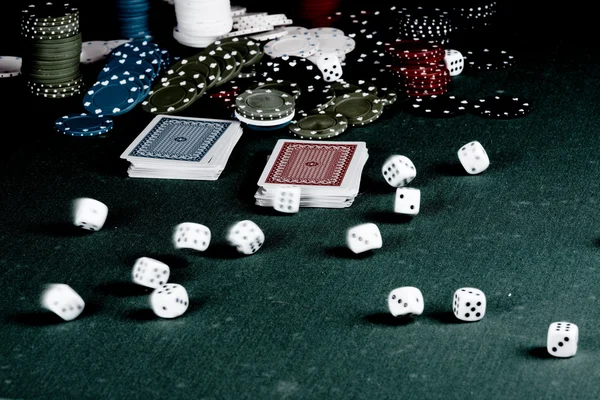
Moreover, cognitive biases related to luck influence how players interpret their results. Gamblers may remember their wins more vividly than their losses, reinforcing the belief that luck is a significant factor in their gaming outcomes. This selective memory can perpetuate behaviors associated with gambling, such as overconfidence in one’s abilities or the tendency to play longer than intended, with the hope that luck will soon turn in their favor.
The Influence of Personal Beliefs and Rituals
Many players develop personal beliefs or rituals intended to attract luck while gambling. These can range from wearing lucky clothing or accessories to engaging in specific behaviors before or during gaming sessions. Such rituals often provide comfort and a sense of control amidst the chaos of chance. For instance, some players might always sit in the same spot at a table or perform a particular gesture upon placing a bet, hoping to summon good fortune.
Interestingly, these rituals can be psychologically beneficial, increasing players’ confidence and enhancing their enjoyment. The consistent application of a personal routine can help establish a feeling of normalcy and familiarity in the unpredictable environment of a casino. In this way, the belief in luck can serve as a form of coping mechanism, allowing players to navigate the highs and lows of gambling with a sense of agency.
However, the reliance on luck-driven rituals can also lead to potential pitfalls. Players may inadvertently develop superstitions that compel them to continue playing despite unfavorable outcomes. This can create a cycle where losing experiences are justified by the hope that the next round will be lucky. As such, while personal beliefs and rituals can enhance the gambling experience, they also carry the risk of encouraging compulsive behaviors if not managed responsibly.
Understanding Probability and Odds in Casino Games
While luck is an alluring concept in the world of gambling, it’s crucial to understand that luck alone does not govern casino outcomes. Each game operates on principles of probability and odds, which are systematically designed to ensure the house has a statistical advantage. For instance, in games such as blackjack or poker, the player’s skills and strategies can significantly influence their success, highlighting the distinction between luck and informed decision-making.

Casinos provide players with information about the odds associated with each game, which can guide their choices and strategies. Understanding the mathematical probabilities can help players make more informed decisions, reducing the reliance on luck. For example, a player who understands the odds in poker can make strategic bets that improve their chances of winning rather than leaving their results solely to chance.
Moreover, some players enhance their experience by utilizing strategies based on mathematical principles. By employing strategies grounded in probability, such as card counting in blackjack, players aim to tilt the odds in their favor. While these strategies require time and practice to master, they ultimately provide a framework that challenges the notion that gambling is purely a game of luck, showcasing the intricate balance between skill and chance.
Exploring Resources and Information for Gamblers
For individuals interested in deepening their understanding of the influence of luck in casinos, various resources can assist in navigating the complex world of gambling. Educational websites, forums, and books dedicated to gambling strategies and psychological aspects can provide valuable insights. These resources often offer guidance on how to manage one’s bankroll, assess risk, and develop a balanced approach to gambling, emphasizing that informed decisions can significantly impact the overall experience.
Moreover, finding a community of like-minded individuals can enhance both the enjoyment and comprehension of gambling experiences. Engaging with others who share similar interests can lead to discussions about luck, strategy, and personal beliefs, providing a broader perspective on the nuances of casino gaming. Online communities and social media platforms serve as excellent platforms for sharing experiences and tips, contributing to a more well-rounded understanding of the gambling landscape.
Additionally, employing responsible gambling practices is essential in fostering a healthy relationship with gaming. Recognizing when to walk away, setting limits, and understanding the nature of the games can help ensure that gambling remains an enjoyable pastime rather than a source of stress. With the right information and mindset, players can navigate their casino experiences more effectively, balancing the thrill of chance with informed decision-making that enhances their outcomes.